Miso Ramen in Singapore's Ramen Landscape
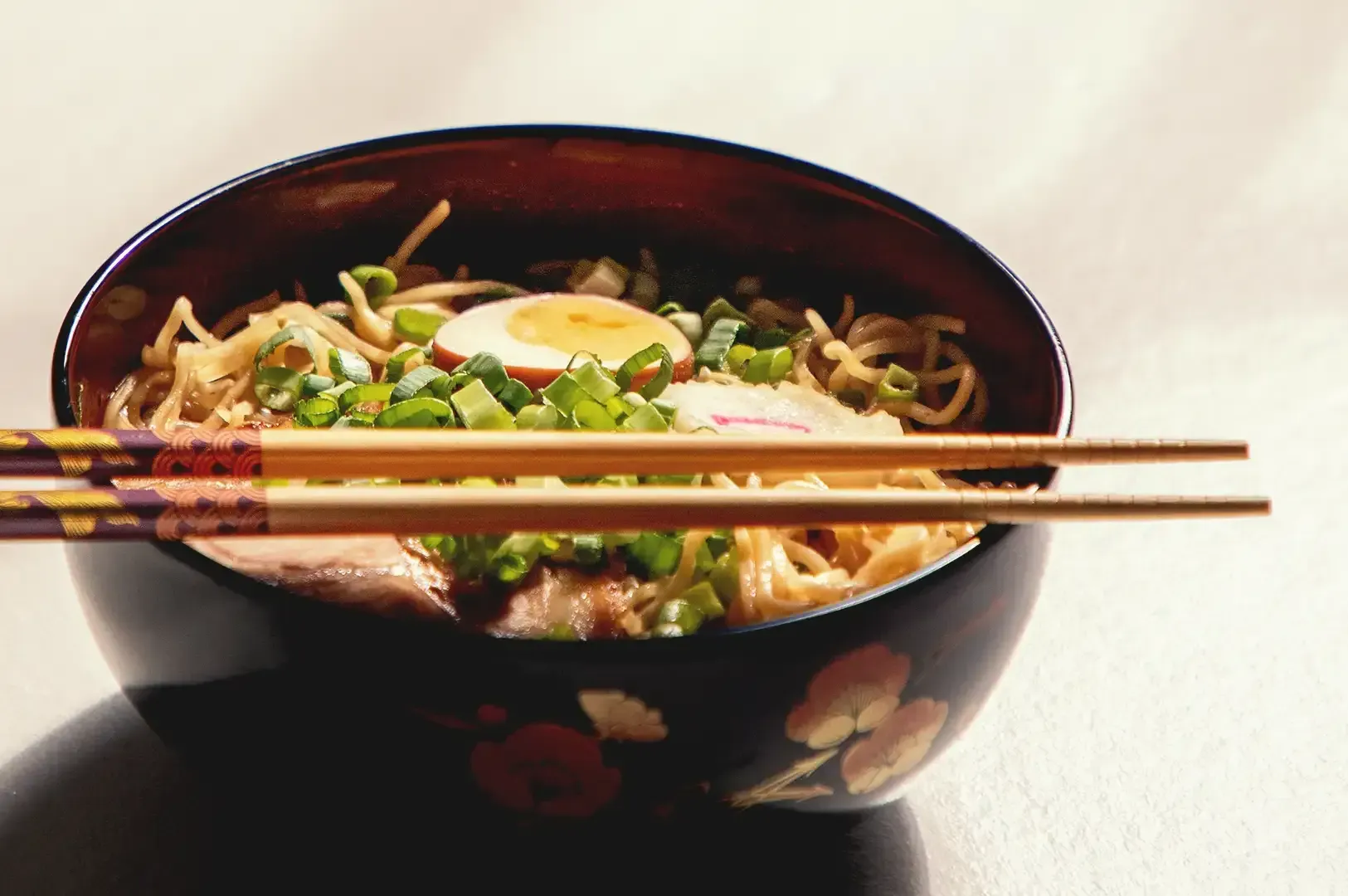
Miso ramen greets you with a warm, roasted, nutty aroma and a rich caramel-colored miso broth. Thick yellow fresh ramen noodles twist beneath golden corn kernels and a melting pat of butter. Miso ramen is thought to have originated in 1953 in Sapporo, Hokkaido. One spoonful offers a comforting yet bold flavor: deeply savory, warming, and utterly addictive. Originating in Hokkaido’s snowy Sapporo, miso ramen combines fermented miso paste with rich chicken stock or pork bone broth, creating broths cloudier and more complex than shoyu or shio ramen. The miso broth typically includes ingredients like garlic, ginger, and soy sauce, which add depth and umami. Unlike the subtlety of other ramen styles, miso ramen commands attention with its bold character.
Miso ramen is considered a comfort food in Hokkaido, often served with sliced chashu pork, corn, and a pat of butter. It includes yellow curly alkaline noodles and is often topped with chashu, menma, and scallions. When assembling the dish, the noodles and miso broth are divided into individual serving bowls for optimal presentation and portioning.
From Sapporo Snow to Equatorial Heat: Origins of Miso Ramen
In post-war 1950s Japan, the harsh Hokkaido winters inspired a hearty dish to warm the body and soul. Morito Omiya, recipe creator and owner of Aji no Sanpei in Sapporo, is credited with creating traditional miso ramen by adding fermented miso paste to a broth made from pork bone and chicken stock, enriched with stir-fried vegetables cooked over medium heat. This rich, calorie-dense soup was designed to combat the cold.
By the 1960s, miso ramen spread throughout Japan, with Sapporo becoming synonymous with the style. Today, Singapore ramen shops proudly serve "Sapporo-style" miso ramen, honoring this northern tradition.
Despite Singapore’s tropical climate, miso ramen thrives in air-conditioned spaces, offering a hearty, warming meal that fits well with local preferences for brothy noodle soups like bak kut teh and prawn mee.
What Makes Miso Ramen Distinctive
Miso ramen’s magic lies in its ramen broth, seasoning, noodles, and toppings working in harmony. The broth starts with a base stock—often pork bone, chicken stock, or a blend with seafood elements like dried mushrooms or dried anchovies. The tare, fermented miso paste, is often cooked in a hot wok with vegetable oil and aromatics like fresh ginger, garlic chives, and chili paste before adding the broth, creating toasted, caramelized flavors. The result is an opaque, creamy miso ramen soup with savory, subtly sweet, and nutty fermented complexity.
Miso paste provides rich umami and sweetness, transforming the broth beyond a simple miso soup. The toppings are substantial: sweet corn kernels, a melting butter pat, crunchy bean sprouts, stir-fried ground pork, and ajitsuke tamago (soft boiled ramen egg marinated in soy sauce and mirin). Bamboo shoots (menma), thinly sliced green onions, and toasted sesame oil complete the bowl.
Types of Miso Paste and Their Impact on the Broth
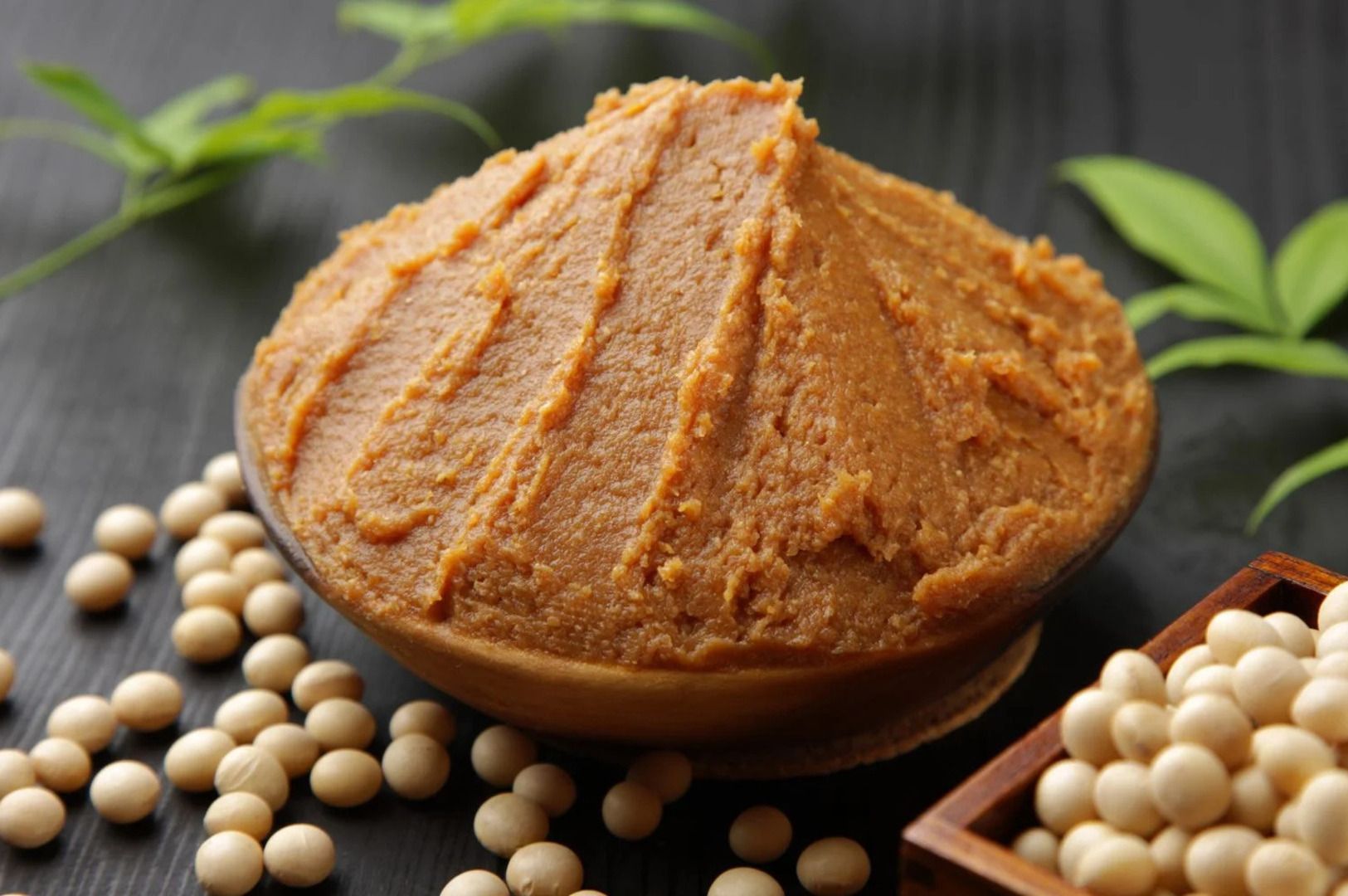
Different miso pastes shape miso ramen’s flavor profile:
- White miso paste (shiro miso): Light, sweet, and mellow, made from shorter fermentation and higher rice content. It pairs well with chicken stock-based broths and suits those new to miso ramen or preferring subtlety.
- Red miso: Darker, saltier, and earthier due to longer fermentation and higher soybean content. It creates bold, robust broths that complement pork bone richness and garlic.
- Blended miso (awase miso): Combines white and red miso for balanced sweetness and depth. Many Singapore ramen shops use this blend, sometimes enriched with extra pork fat or sesame paste for heartiness.
How Miso Ramen Differs from Tonkotsu, Shoyu, and Shio
Singapore’s ramen scene features four main styles: miso, tonkotsu ramen, shoyu, and shio.
- Tonkotsu ramen hails from Kyushu and features a milky, opaque broth from hours of boiling pork bones. It’s heavy, silky, and fatty, paired with thin, straight noodles.
- Shoyu ramen originates from Tokyo and Yokohama, using chicken broth or pork stock seasoned with soy sauce. The broth is clearer, balanced, and aromatic, complementing wheaty noodles.
- Shio ramen is the lightest, with salt seasoning and a clear chicken or seafood broth, focusing on pure stock flavors.
- Miso ramen stands apart with its fermented character. The broth is thicker and more opaque than shoyu or shio but lighter than tonkotsu. It uses miso paste for seasoning, adding body, sweetness, and fermented depth. Stir-fried toppings like vegetables and ground pork build flavor layers before broth addition.
For Singaporeans familiar with bold, layered soups like bak kut teh and curry laksa, miso ramen’s assertive, umami-rich profile fits naturally.
Miso Ramen in Singapore’s Multicultural Food Culture
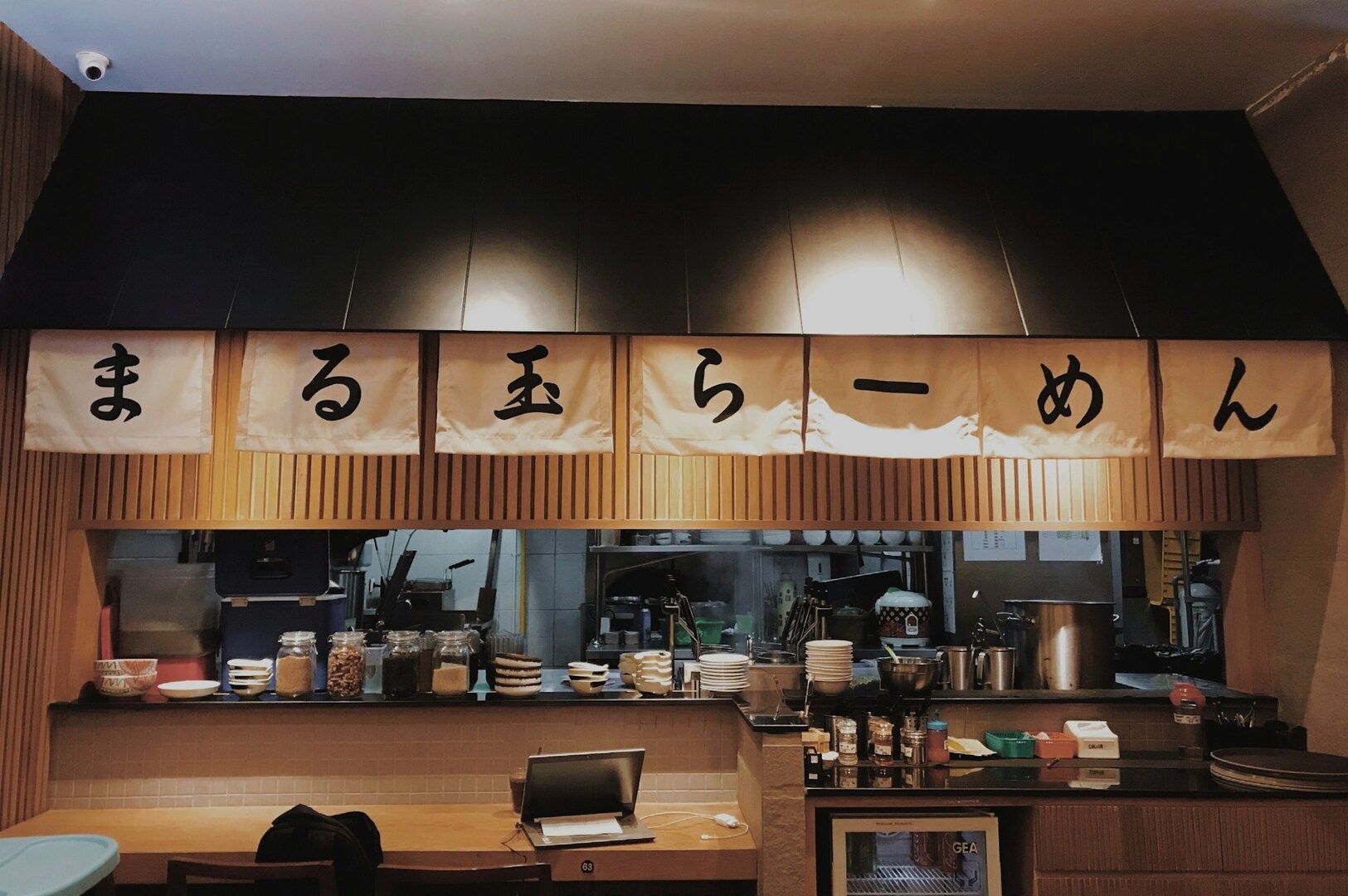
Ramen gained a foothold in Singapore in the late 2000s, initially dominated by tonkotsu ramen. Miso ramen steadily grew from a menu alternative to a signature dish in many outlets.
Singapore’s food culture, rich in umami and robust broths, welcomed miso ramen’s boldness. Japanese chefs and local operators often import miso from Hokkaido and follow traditional Sapporo techniques like stir-frying miso with garlic, ground sesame seeds, and vegetables before adding chicken stock. Some adapt recipes for Singapore’s climate with leaner broths, adjusted salt, or local greens like bok choy or kai lan.
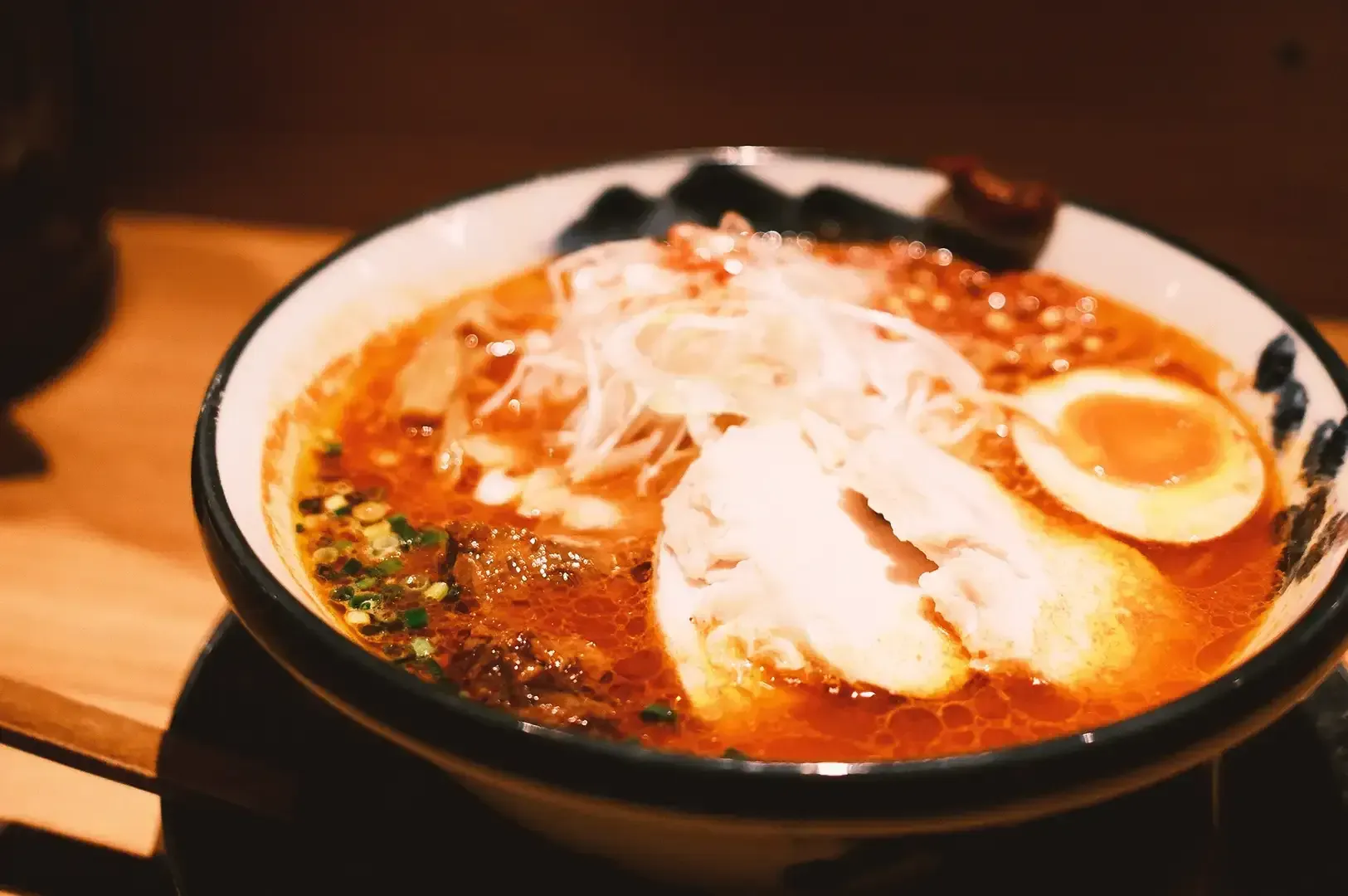
Spicy miso ramen, featuring chili oil or doubanjiang, resonates with Singapore’s love of heat. This evolution maintains authenticity while embracing local tastes.
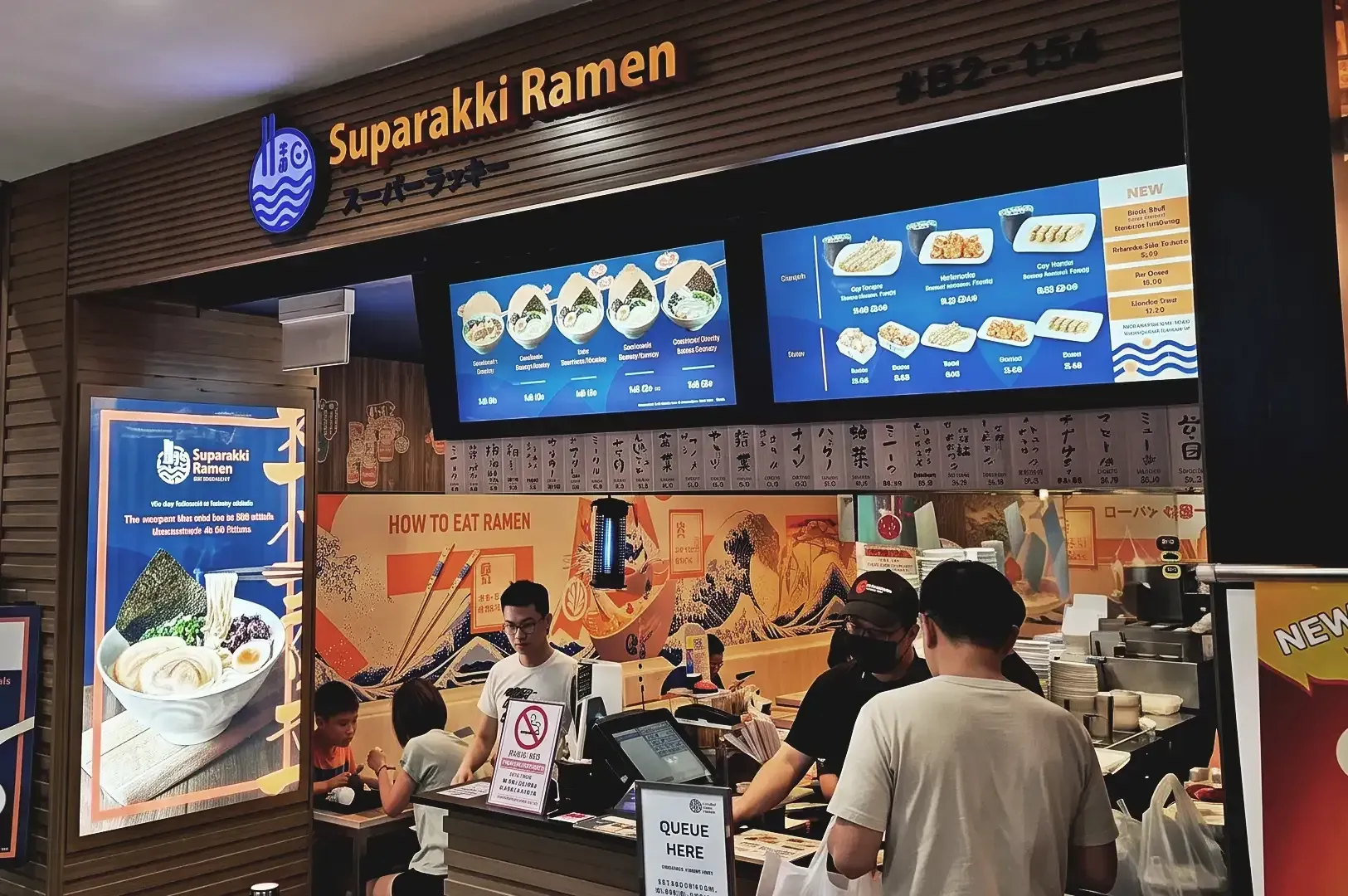
Miso ramen appears across Singapore—from CBD ramen bars to mall food courts and izakaya-style spots—reflecting its mainstream acceptance alongside tonkotsu and shoyu.
Cooking Ramen Noodles
Here's the thing about perfect ramen—it all starts with noodles that fight back just right. Whether you're grabbing those silky fresh ramen noodles from the fridge (my current obsession) or reaching for trusty instant packets (never judge!), the magic happens in those crucial cooking moments that separate the pros from the "eh, close enough" crowd. Get that big pot bubbling like it means business—I'm talking a full rolling boil that could wake the neighbors.
Drop in your noodles and here's where it gets exciting: fresh beauties need just 2-3 minutes of that hot water dance, while dried noodles? They'll tell you exactly what they want right on the package. You're chasing that perfect al dente moment—firm enough to bite back but ready to surrender to your spoon—because trust me, those noodles will keep cooking once they hit that molten broth in your bowl. The second they're ready, yank them out and shock them under cold water like you're stopping time itself. This little cold plunge saves their springy soul and prevents the dreaded mush disaster that haunts late-night kitchen experiments everywhere.
Whether you're diving into a classic miso adventure or plotting your own ramen rebellion, nailing this noodle technique means every bowl becomes the kind of slurp-worthy triumph that has you planning tomorrow's bowl before you've finished tonight's.
Signature Variations and Local Twists on Miso Ramen
Classic Sapporo miso ramen remains a benchmark, but Singapore ramen kitchens offer exciting variations:
- Spicy miso ramen: Adds chili oil, chili paste, doubanjiang, or rayu for heat, often with extra ground pork and ground sesame seeds. It appeals to fans of mala, tom yum, and spicy laksa.
- Butter corn miso ramen: Embraces Hokkaido indulgence with thick noodles, sweet corn kernels, and a cold butter pat that melts into a silky broth. Air-conditioned malls make this hearty combo enjoyable year-round.
- Seafood-forward miso ramen: Enriches broth with dried anchovies, bonito flakes, or prawn shells, echoing local seafood soups while using Japanese cooking techniques. Shiitake mushrooms add earthy depth without heaviness.
- Lighter options: Use chicken stock-based miso broths with extra vegetables like cabbage, bok choy, and chopped green onions for balance. Vegetarian or plant-based miso ramen uses vegetable stock, kombu, shiitake mushrooms, and toasted sesame oil, showcasing miso’s umami without animal products. Some gluten-free versions use rice noodles.
Miso Ramen Recipe
Craving that perfect bowl of miso ramen at home? This is where the magic happens—miso paste brings that deep, soul-warming umami that just hits different from anything else, dancing with soy sauce's sharp saltiness and the rich backbone of chicken stock or pork broth for a bowl that'll make you forget every mediocre takeout experience. Get those ramen noodles going first—fresh noodles bounce back with more attitude, but dried ones work their own charm—boiling them in that big, rolling water until they've got just enough bite left (al dente is your friend here), then rinse and park them while you build the real star. Now here's where things get exciting: combine that chicken stock or pork broth with white miso paste (watch it dissolve and transform the entire pot), splash in soy sauce for that savory punch, and add chili oil or paste because a little heat wakes everything up and keeps you coming back for more.
Meanwhile, grab a separate pan and work some magic with ground pork—toss in a pinch of baking soda (trust the process, it keeps things impossibly tender) and a generous spoonful of hatcho miso for layers upon layers of depth that'll surprise your taste buds. Fold that seasoned pork right into your bubbling broth and let everything simmer together for 10-15 minutes, watching those flavors marry and intensify until your kitchen smells like pure comfort. Assembly time is when it all comes together—noodles in the bowl first, then that gorgeous, steaming broth cascading over them, topped with silky sliced pork, a soft boiled egg that breaks like liquid gold, bright green onions, and whatever else calls to you because this is your ramen adventure. This bowl isn't just dinner—it's your love letter to miso's incredible complexity and proof that homemade ramen can absolutely steal the show.
What to Look For When Ordering Miso Ramen in Singapore
To get the bowl of ramen that suits your mood:
- Check if the menu specifies white miso, red miso, or blended miso to anticipate flavor intensity.
- “Hokkaido-style” or “Sapporo miso ramen” usually means traditional preparations with classic favorite toppings.
- “Rich” or “extra-rich” versions often include more pork fat or butter.
- Consider the climate and your appetite: lighter chicken-based miso suits hot days; full butter-corn-pork bowls comfort cooler evenings or air-conditioned spaces.
- Ask about noodle firmness—firmer fresh noodles hold up better in thick broth.
- If using dried ramen noodles or instant ramen noodles at home, add fresh ginger for brightness.
- Pair miso ramen with side dishes like gyoza or karaage, but avoid overloading to keep the broth the star. In Japan, miso ramen is often served with a side of fried rice or other rice dishes.
- At the table, white pepper is a preferred seasoning option to enhance the flavor and aroma of your ramen.
Start with classic Sapporo-style before exploring spicy or richer variants to appreciate the base.
Nutrition and Health Benefits
Picture this: a bowl of miso ramen that doesn't just satisfy your cravings but actually loves you back! Those springy noodles? They're delivering pure energy while that gorgeous miso broth works overtime, packed with antioxidants and live probiotics that your gut will absolutely thank you for. And here's the beautiful part – miso's got these amazing anti-inflammatory powers that make every slurp feel like a tiny victory for your body. Now, if you want to take this bowl from great to absolutely stellar, here's where the fun begins: swap in gluten-free noodles if that's your thing, then go wild with the vegetables – crisp bok choy that snaps between your teeth, crunchy bean sprouts that add that perfect pop, fresh green onions that wake everything up. The protein game? That's where you get to play – lean chicken gives you that satisfying chew, while silky tofu melts into the broth like it was always meant to be there. Don't sleep on sesame seeds either; they bring healthy fats and this incredible nutty crunch that transforms each bite. The real magic happens when you dial back the soy sauce and sugar just a touch – suddenly you've got this clean, bright broth that still delivers all the flavor but leaves you feeling energized instead of sluggish. When you nail that balance, you're not just eating dinner; you're creating this perfect harmony of nourishment and pure deliciousness that makes you want to plan your next bowl before you've even finished this one!
Where Miso Ramen Fits in Singapore's Ramen Scene
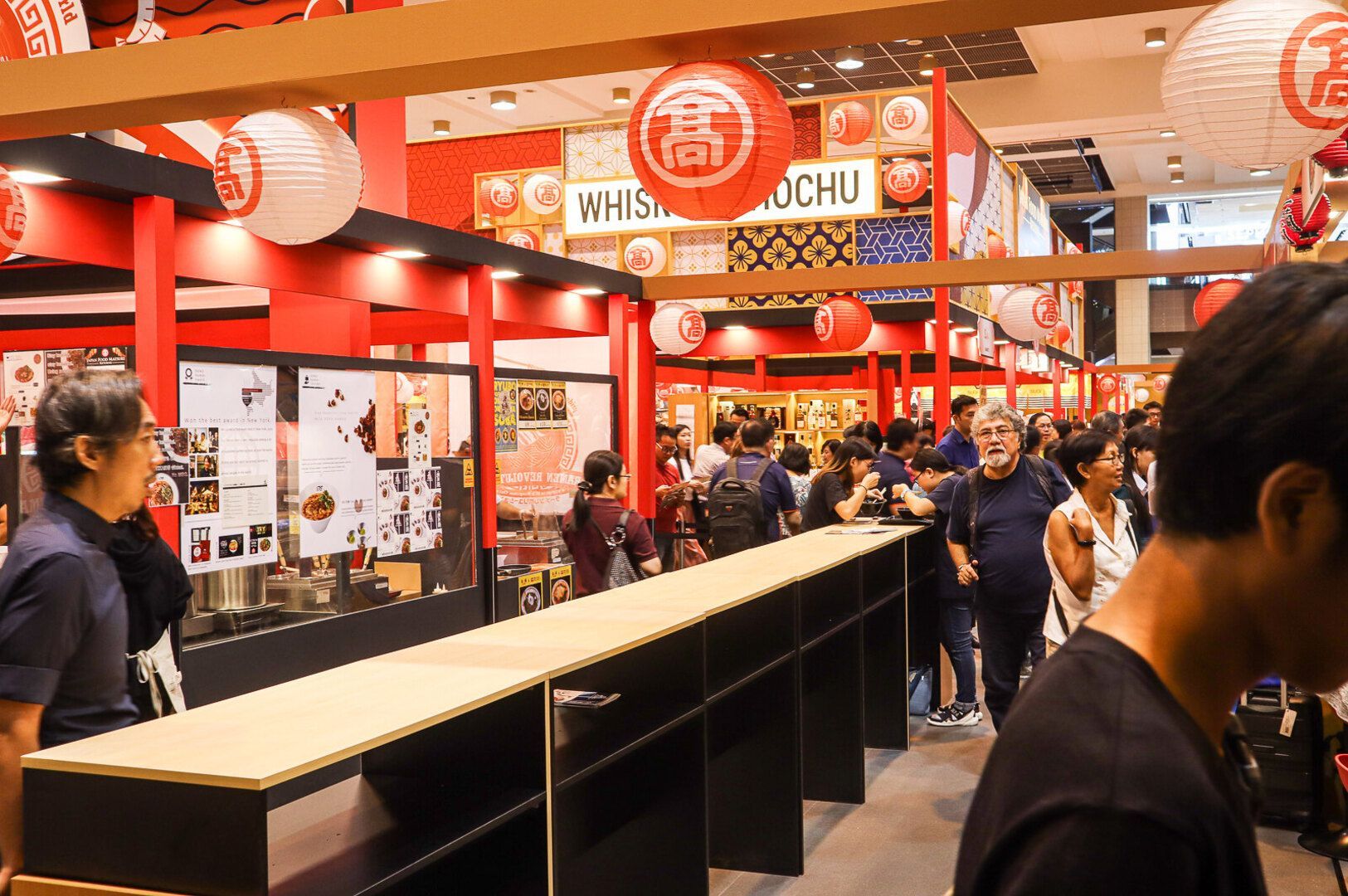
Since the 2010s, Singapore’s ramen scene has diversified: tonkotsu ramen, tsukemen, chicken paitan, and increasingly miso ramen. What began as a novelty has matured into serious dining, with enthusiasts debating broth techniques and noodle quality.
Miso ramen is found in diverse venues—from compact CBD ramen bars serving quick lunches to mall Japanese chains and specialty Hokkaido eateries. It suits casual dining and izakaya late-night menus alike. For those seeking convenience, a quick broth can be made by using instant ramen seasoning packets as a shortcut, allowing for a flavorful, rich broth in a short amount of time.
Miso ramen has moved from niche to mainstream, earning its place alongside tonkotsu and shoyu as a defining style of Singapore’s ramen culture. The soup broth can be stored in the refrigerator for up to 3 days.
Popular Ramen Restaurants in Singapore
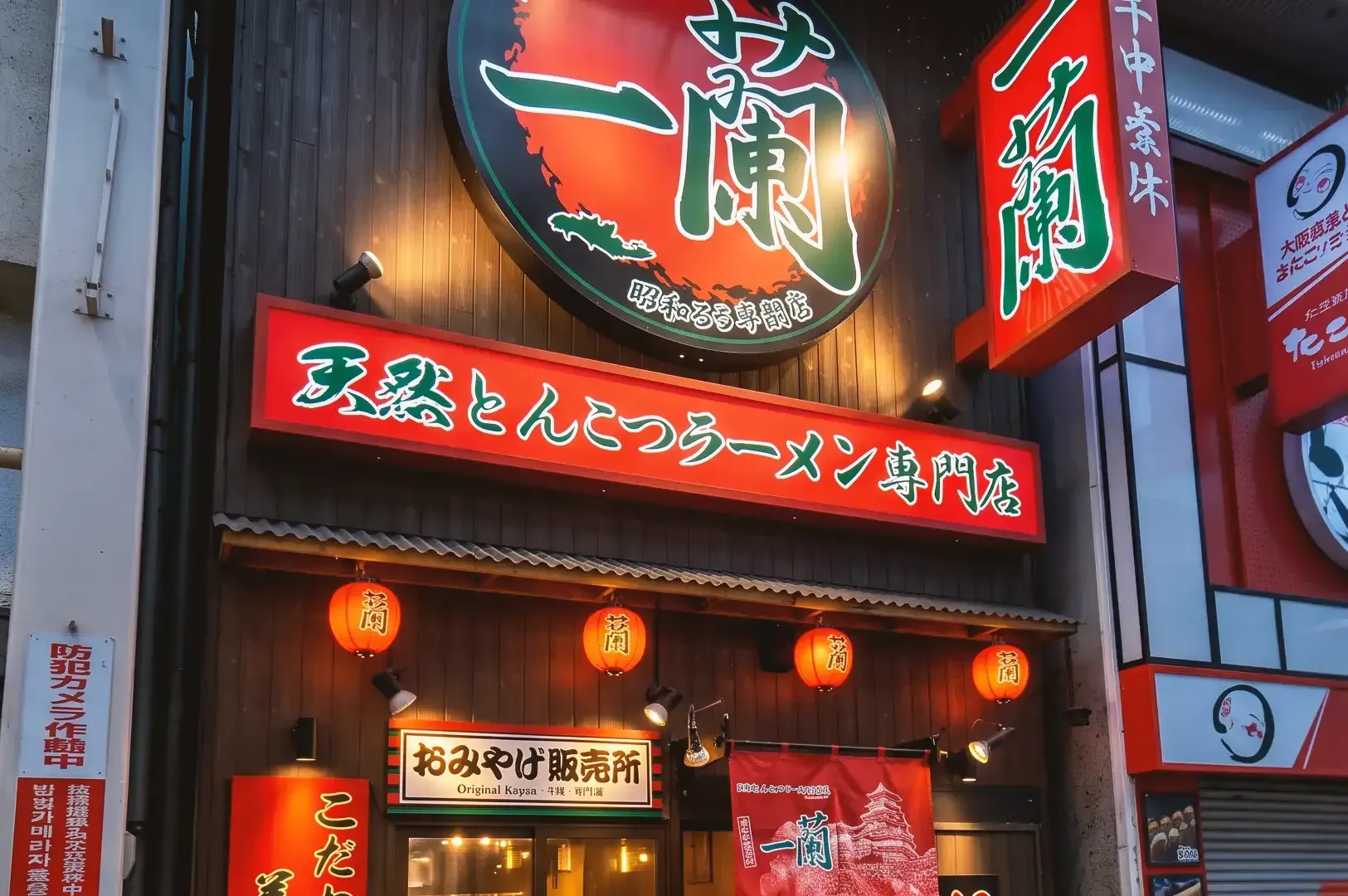
Singapore's ramen scene hits different—every slurp feels like chasing down your next obsession, and trust me, there's always another bowl calling your name. Ichiran Ramen pulls you into those solo booths where it's just you, that impossibly rich tonkotsu broth, and pure focus; this broth doesn't just warm you up, it practically wraps around your soul while you lose track of time. But then
Ippudo Ramen flips the script entirely—their bustling energy and that signature Hakata-style tonkotsu create this whole different vibe where the noodles have this perfect chew that makes you want to text your friends immediately about planning your next group ramen night, plus they're throwing miso and shoyu into the mix because why choose just one when you can explore them all? Meanwhile, Santouka Ramen brings that Hokkaido magic with shio and miso bowls that taste like someone bottled up authentic comfort and served it with noodles that have just the right amount of resistance, the kind that makes you pause mid-conversation because the texture balance is hitting exactly right. These spots, along with what feels like every corner of Singapore hiding another ramen gem, keep serving up this incredible range where you can dive into those hearty, pork-forward broths that practically demand your full attention one night, then switch to something lighter and vegetable-forward the next because your palate craves that contrast. Whether you're the type who goes straight for the spicy miso that wakes up every taste bud or you're drawn to those subtle, clear broths that let every ingredient shine through, Singapore's ramen landscape keeps evolving, and honestly, each bowl just makes you hungrier for the next discovery.
Looking Ahead: Miso Ramen's Future in Singapore
From its snowy Hokkaido origins to tropical Singapore, miso ramen’s journey reflects Singaporeans’ openness to regional Japanese styles and culinary nuance.
Plant-based miso broths using vegetable stock and coconut milk are gaining popularity, catering to flexitarians without sacrificing umami. Collaborations between Japanese and local chefs may introduce ingredients like candlenut, local dried mushrooms, or crustacean oils, blending tradition with innovation.
Seasonal menus could bring richer winter specials and lighter summer versions, with air conditioning creating unique climate considerations.
Miso paste varieties may diversify as diners seek new flavors: hatcho miso, barley miso, and experimental blends could become more common.
For now, keep exploring. Use resources like BestRamen.com.sg to compare bowls, track trends, and find your next favorite miso ramen.
That steaming bowl of miso ramen—with thick noodles, melting butter, sweet corn kernels, and a broth rich with fermented depth—embodies the fusion of global tradition and local palate. In Singapore’s equatorial heat, it feels just right. And every ramen lover knows: the next bowl is always waiting.
Recent Posts